Peptides in lash serum, explained: which peptide does what?
8 min read · Published
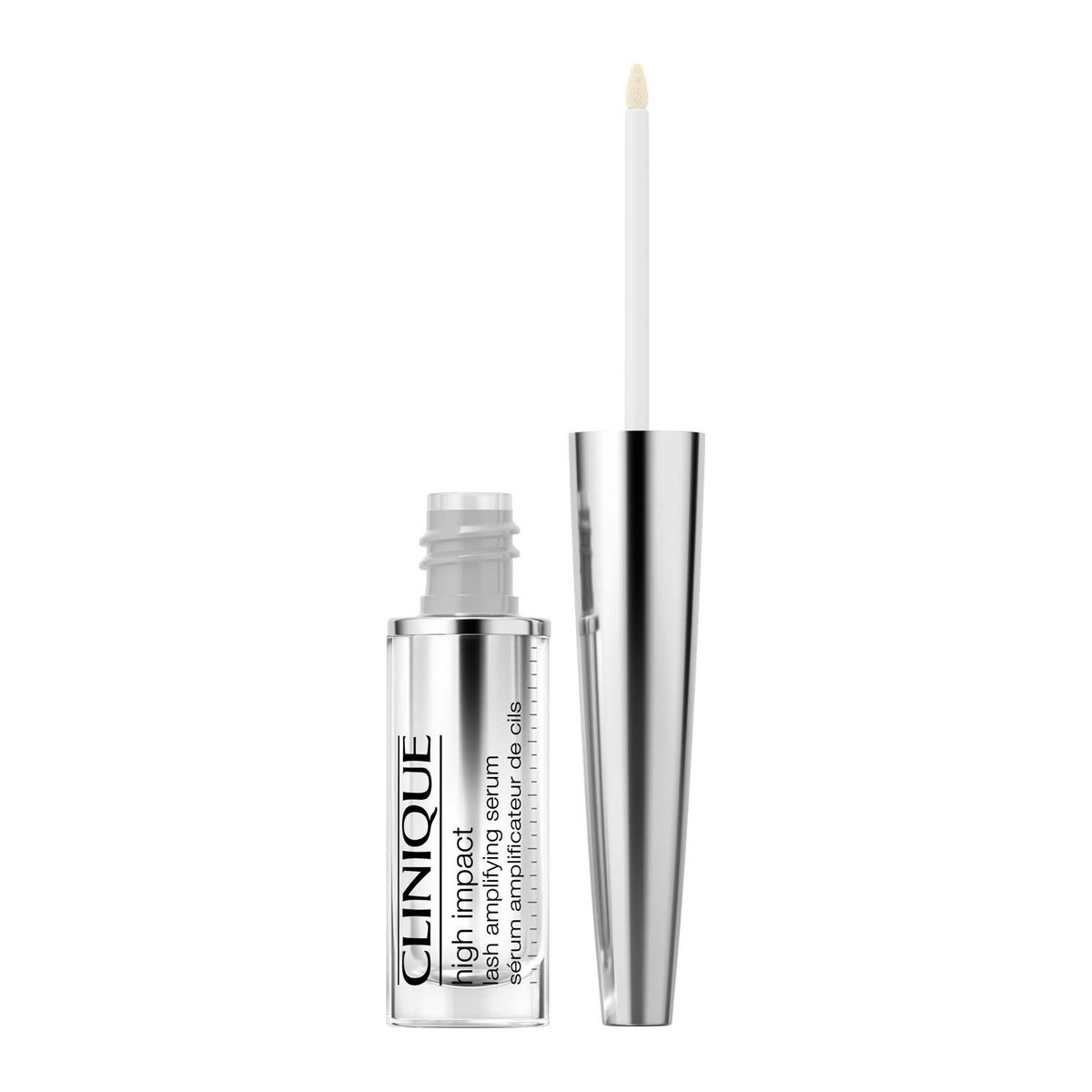
Almost every modern lash serum box now says "peptide" somewhere. But peptide isn't an ingredient — it's a family. Behind that one word sit dozens of different substances, each with its own INCI name and its own role. Learn to recognise the important ones and a single glance at the ingredient list tells you whether a serum is seriously formulated or just riding a trend.
First: what is a peptide?
A peptide is a short chain of amino acids — the building blocks of proteins, including keratin, the protein your lashes are made of. In cosmetics, peptides are used as "signal" ingredients: small enough to work at the lash base, they are used to condition and strengthen lashes and support their natural growth phase. They don't alter the growth cycle as directly as a prostaglandin analog, which is exactly why they're seen as the gentler route.
Worth knowing: most peptides are used at low concentrations and the effect builds gradually. Expect 4 to 8 weeks for the first change and around 12 weeks for the full result.
The peptides you'll see most often
| Peptide (INCI) | What it's used for | Found in, e.g. |
|---|---|---|
| Acetyl Tetrapeptide-3 | Strengthening the lash base so lashes stay anchored and shed less | QUALASH, The Ordinary, Clinique |
| Octapeptide-2 | Supporting the growth phase; often used for length and density | QUALASH, SWEED |
| Biotinoyl Tripeptide-1 | A biotin-linked peptide used for lash strength and thickness | QUALASH, JUNGLÜCK |
| Myristoyl Pentapeptide-17 | One of the best-known lash peptides, aimed at fuller, thicker lashes | The Ordinary, JUNGLÜCK |
| Palmitoyl Tripeptide-1 | A conditioning peptide that supports lash structure | Clinique |
| Palmitoyl Tetrapeptide-7 | A soothing peptide, often chosen for sensitive-eye formulas | Clinique |
| Capixyl™ | Trade name for a complex built around a peptide plus plant extract | Hairlust |
Why several peptides beat one
The most interesting development of the past year isn't a new peptide, it's the combination. Each peptide tackles a different part of the process: one focuses on anchoring, another on the growth phase, a third on strength. A formula that uses those roles side by side covers more ground than a serum built around a single peptide.
You can see that in our 2027 peptide ranking. Our number one, QUALASH Activating Peptide Eyelash Serum, combines exactly three of the peptides in the table above: Acetyl Tetrapeptide-3, Octapeptide-2 and Biotinoyl Tripeptide-1. The Ordinary names four, and Clinique uses three palmitoyl and acetyl peptides in a deliberately gentle formula.
What else to look for
Peptides are the heart of the formula, but not the whole story. Panthenol (provitamin B5) and hyaluronic acid keep lashes flexible so they're less likely to break before reaching full length. If you have sensitive eyes, also watch for what shouldn't be there: alcohol high up the list, strong fragrance and, of course, prostaglandin analogs if you want a fully peptide-based serum. Learn how to spot them in our guide to reading a lash serum ingredient list.
In short
When choosing a peptide serum, don't look at the word "peptide" on the front — look at the INCI names on the back. The more targeted peptides, and the higher they sit in the list, the more serious the formula. To see which serums do that best, check our Top 8 peptide lash serums for 2027.
See the Top 8 peptide lash serums for 2027
Eight prostaglandin-free peptide serums, ranked on peptide profile, formula and availability.
Go to the peptide ranking →